How INDIBA therapy works
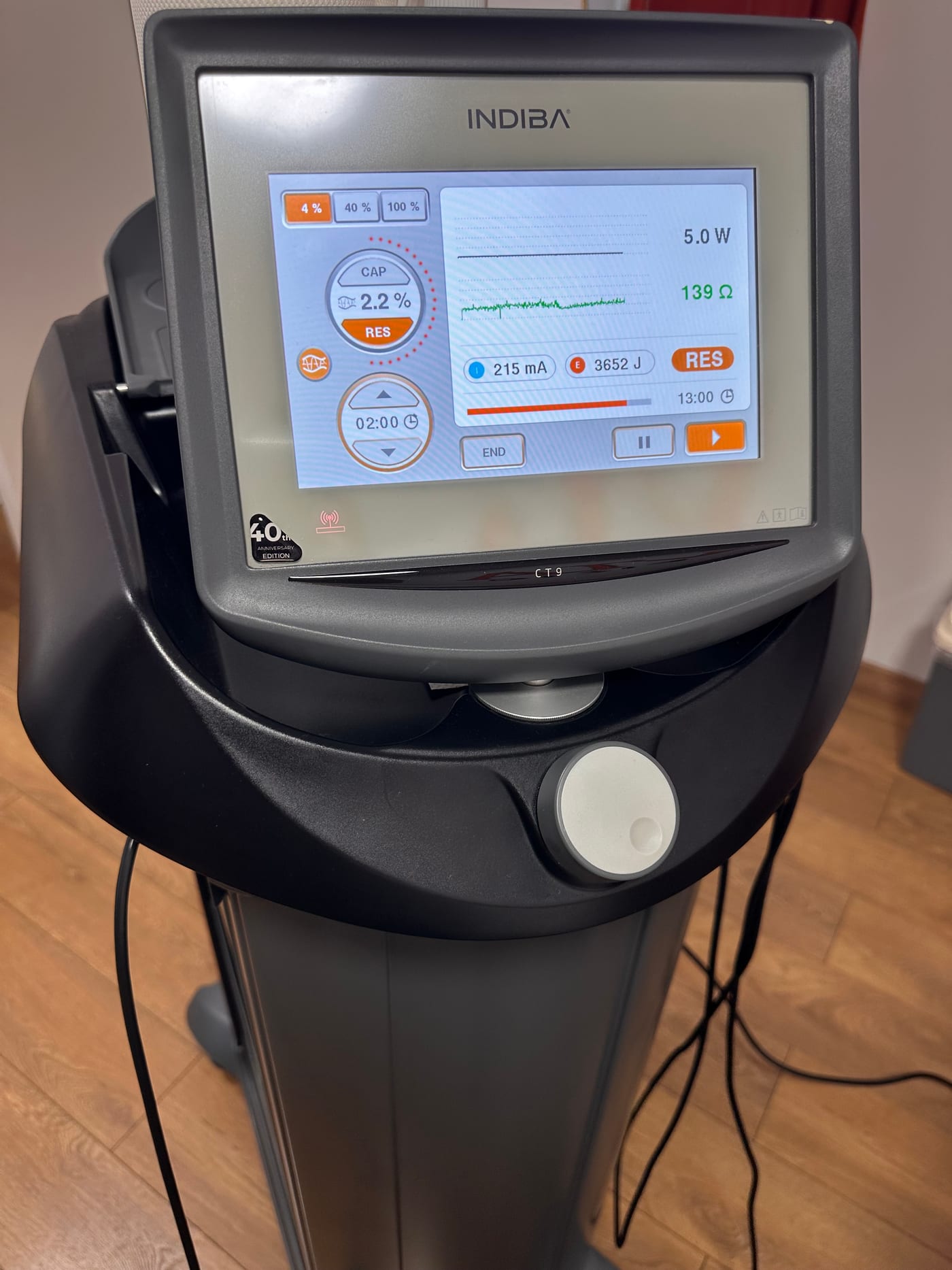
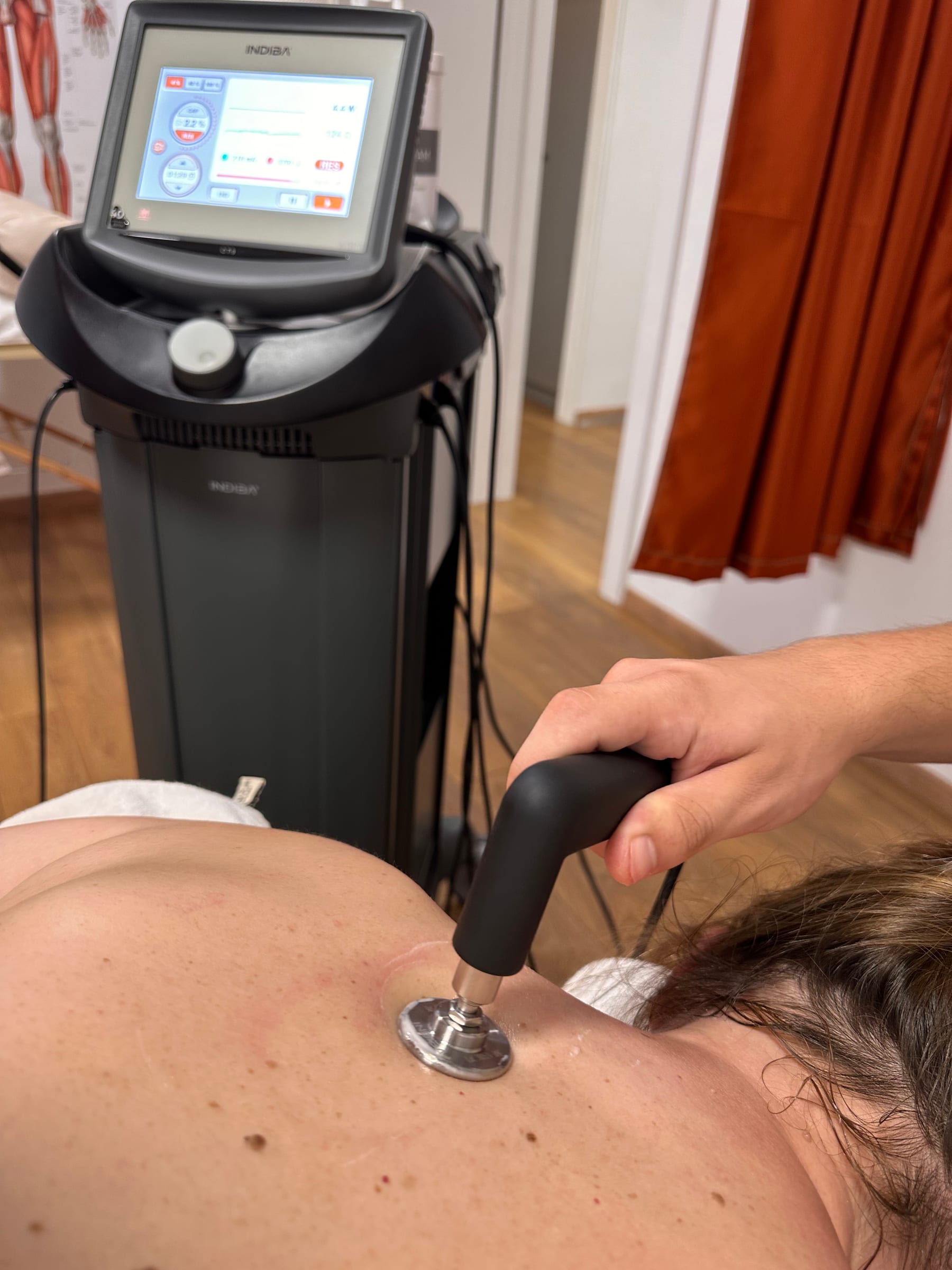
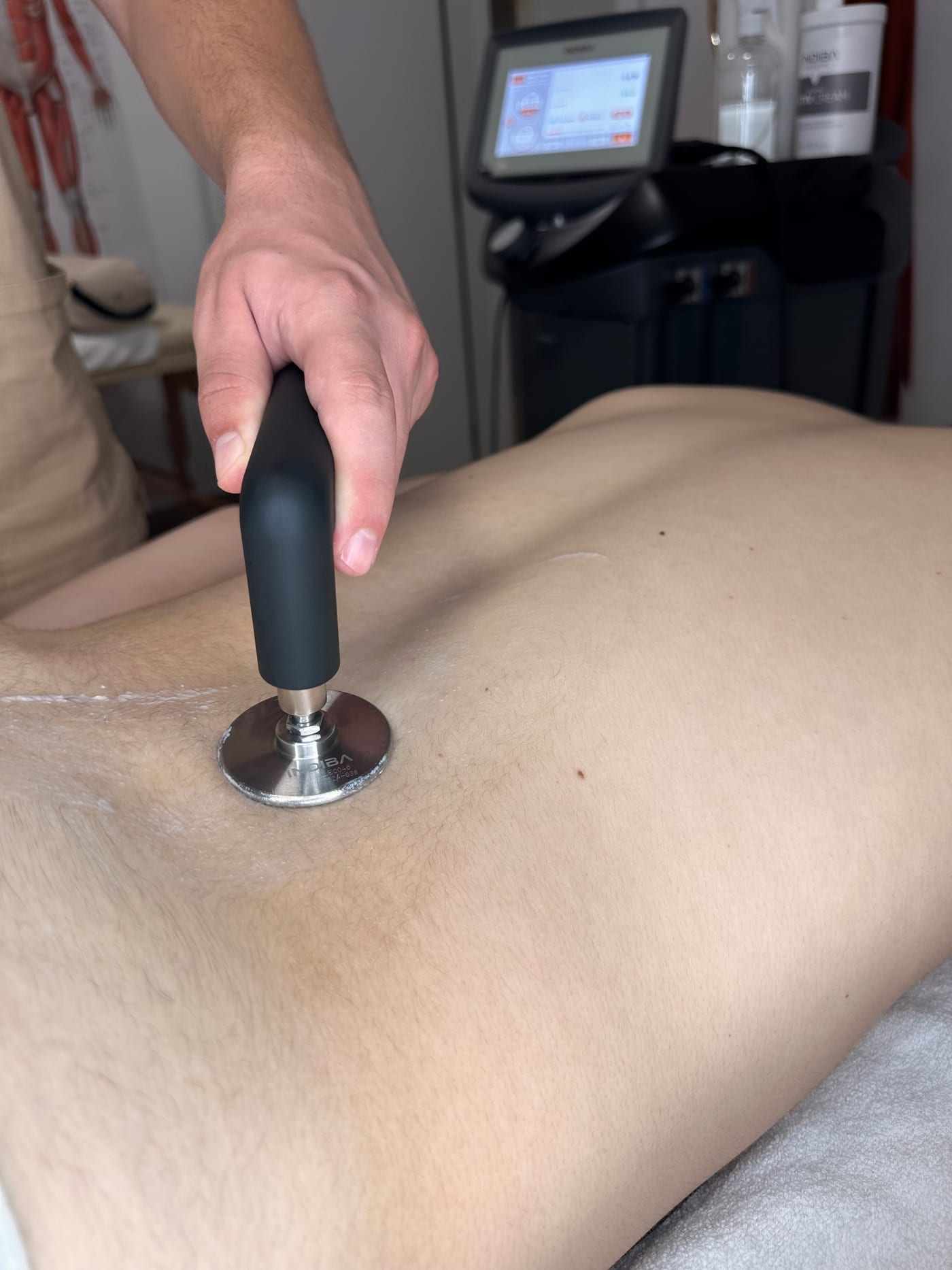
INDIBA uses a unique Proionic® radiofrequency of 448 kHz that penetrates deep into the tissue and works at the cellular level. Unlike therapies that act only superficially, INDIBA encourages the body itself to regenerate — it improves cell metabolism and microcirculation, reduces pain and inflammation, and speeds up the recovery of damaged structures.
The effect isn’t just momentary symptom relief. The goal is to create optimal conditions for the body to rebuild muscles, tendons, ligaments and joints faster.
Why INDIBA is different
INDIBA isn’t just another radiofrequency therapy. Its technology enables cell biostimulation, activation of fibroblasts and improved local vascularization — creating ideal conditions for natural tissue regeneration.
During therapy, it leads to:
- activation of natural regenerative processes
- improved microcirculation
- reduced pain and inflammation
- accelerated healing of damaged tissue
- stimulation of collagen and elastin production
- improved tissue quality and function
The therapy is comfortable, non-invasive and adapted to each patient, depending on the type of problem.
Which conditions it helps with
INDIBA is successfully used for a wide range of acute and chronic conditions, in both physical and aesthetic medicine.
In physical medicine:
- disc herniation
- cervical and lumbar syndrome (neck and back pain)
- frozen shoulder
- tennis elbow
- rotator cuff inflammation
- Achilles tendinitis and other tendinitis conditions
- heel spur and plantar fasciitis
- jumper’s knee
- arthritis and osteoarthritis of the knee and other joints
- treatment of the medial meniscus
- treatment of the anterior cruciate ligament (ACL)
- sports injuries
- post-operative recovery
In aesthetic medicine:
- skin biostimulation
- stimulation of collagen and elastin production
- facial treatments and improved skin tone
- cellulite treatments
- body contouring
Advantages of INDIBA therapy
- Acts on the cause of the problem, not just the symptoms.
- Encourages the body’s natural regeneration.
- Helps reduce pain and inflammation.
- Speeds up recovery after injuries and surgery.
- Improves the function of muscles, joints and tendons.
- Contributes to healthier, better-looking skin.
INDIBA at the Via Fizio center
At the Via Fizio center, INDIBA therapy is an important part of a modern approach to rehabilitation and aesthetic treatments. Each treatment is tailored to the individual needs of the patient and, when needed, combined with other manual techniques such as electroacupuncture, dry needling, myofascial technique and other physical therapies to achieve the maximum effect.
Our goal isn’t only momentary pain relief, but creating the optimal conditions for natural tissue regeneration, faster recovery and long-term improvement in how the body functions.